
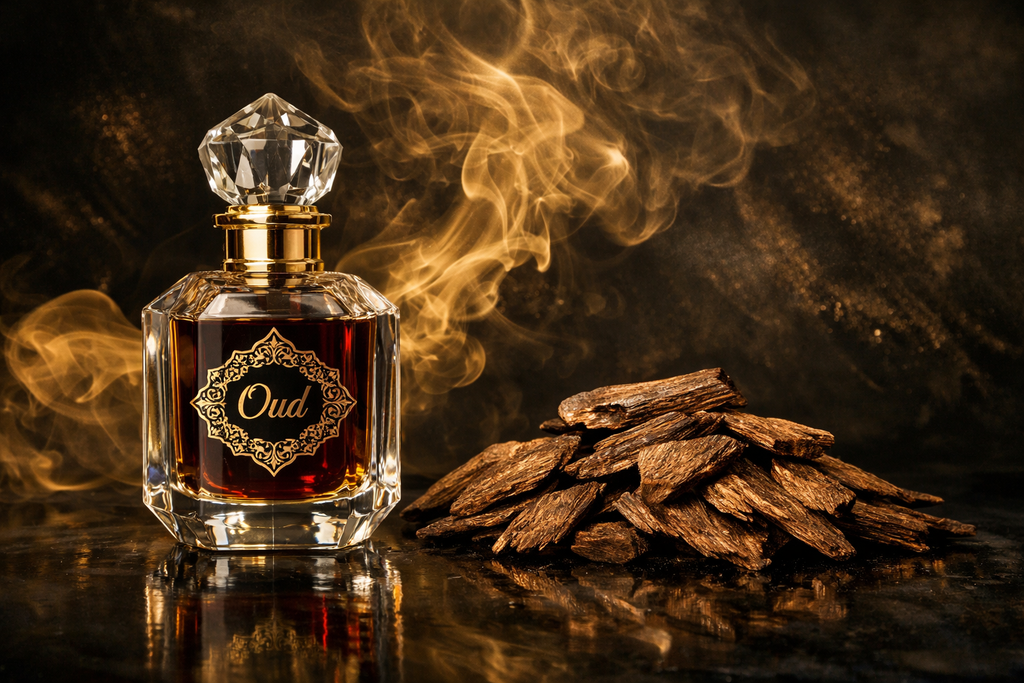
لماذا دهن العود الكمبودي باهظ الثمن؟
إذا كنت قد حملت زجاجة صغيرة من دهن العود الكمبودي وتساءلت لماذا تكلفتها بالجرام أعلى من الذهب، فأنت لست وحدك. يسألنا العملاء هذا طوال الوقت، والإجابة الصادقة بسيطة: غالبًا ما يُطلق على هذا الزيت اسم الذهب السائل لسبب وجيه. يتطلب الأمر عقودًا من الصبر، وحصادًا دقيقًا، وعملية لا يمكن تسريعها لإنتاج بضع قطرات فقط. في هذا المنشور، سنوضح بالضبط لماذا العود باهظ الثمن، مستخدمين حقائق حقيقية بدلاً من الحديث التسويقي المزخرف.
ما هو دهن العود الكمبودي؟
دهن العود الكمبودي هو زيت مقطر نقي من أشجار العود الموجودة في غابات كمبوديا. إنه أحد أكثر زيوت العود الكمبودي تعقيدًا وغنى في الوقت الحاضر.
هذا منتج طبيعي نقي، حيث لا يضاف إليه الكحول أو مواد مالئة، كما هو الحال في العطور أو العطور المخففة. عطر العود الكمبودي يظهر جودة راتينجية تنضج ببطء على الجلد، وهو أمر يصعب تقليده بالتصنيع البشري.
لماذا العود باهظ الثمن؟ (شرح الندرة)
الجواب الأساسي على سؤال لماذا العود باهظ الثمن يرجع إلى كلمة واحدة: الندرة. فالعود لا ينمو على كل شجرة، ولا ينمو بين عشية وضحاها.
يتطلب نمو العود عدوى فطرية في الشجرة، ويجب أن تتفاعل الشجرة مع هذه العدوى بتكوين راتنج داكن وعطري كآلية دفاع. هذا هو عود خشب العود النادر الذي نعرفه. لا تُصاب جميع الأشجار بالعدوى، ومن بين تلك المصابة، قلة فقط تنتج راتنجًا بجودة كافية للتقطير.
ليس هذا فحسب، بل يستغرق راتنج شجرة العود سنوات عديدة، وأحيانًا عقودًا، ليصبح جاهزًا للحصاد من داخل الشجرة. أضف إلى ذلك تقلص الغابات، وقوانين الحصاد الأكثر صرامة، وزيادة الطلب من بقية العالم، وستحصل على سلسلة إمداد لا يمكنها النمو مثل معظم المنتجات.
عملية استخراج العود (لماذا تكلف الكثير)
حتى بعد حصاد الخشب الغني بالراتنج، فإن عملية استخراج العود طويلة وتتطلب عمالة مكثفة ولا ترحم. يتعين على العمال المهرة أولاً فصل الأجزاء الراتينجية من الخشب يدويًا عن الخشب العادي، وهي مهمة بطيئة تتم بالكامل تقريبًا يدويًا.
ثم يُنقع الخشب ويُقطر باستخدام طرق التقطير المائي التقليدية التي يمكن أن تستمر لأسابيع. هنا تظهر التكلفة الحقيقية. إنتاج تقطير العود منخفض للغاية، وغالبًا ما يكون بضعة مليمترات فقط من الزيت من العديد من الكيلوغرامات من رقائق الخشب.
نظرًا لقلة الزيت الذي ينتج عن هذه الكمية الكبيرة من المواد الخام، فإن سعر زيت العود النقي يعكس حسابات الإنتاج الحقيقية، وليس مجرد تحديد موضع العلامة التجارية. إنه ببساطة مكلف الصنع.
كيف يؤثر التعتيق على سعر العود
هنا يظهر الفرق بين العود البري مقابل العود المزروع، حيث لا يتم إنتاج جميع أنواع العود بنفس الجودة. فالأشجار الناضجة في الغابات الطبيعية تنتج رائحة خشب عود بري أعمق وأغنى من الأشجار المزروعة الأصغر سنًا.
كما يلاحظ أن التطور الطبيعي للراتنج في الأشجار البرية أبطأ بكثير، يصل إلى 50 عامًا أو أكثر، من الأشجار المزروعة التي غالبًا ما يتم حصادها مبكرًا. وهذا أحد الأسباب الرئيسية وراء كون الزيت المستخرج من مصادر برية أغلى بكثير هو عملية التعتيق الطبيعية هذه.
إذا كنت مهتمًا بزيت العود الأصيل، يجب أن تكون على دراية بأن خشب العود القديم والمحصود من البر سيكون دائمًا أغلى، لأنه حصل على الوقت الكافي ليصبح كذلك.
ما الذي يميز العود الكمبودي عن أنواع العود الأخرى؟
لطالما حظيت كمبوديا بالاحترام كواحدة من أبرز مصادر خشب العود عالي الجودة، ويتميز زيت العود الكمبودي لسبب واضح: ملفه العطري.
بينما يميل العود الهندي إلى أن يكون رائحته حيوانية وقوية، ويميل العود الماليزي إلى أن يكون خشبيًا وحادًا، يُعرف العود الكمبودي بأنه أحلى وأكثر فاكهية وأكثر توازنًا، مع نغمات خشبية عميقة. هذا التوازن هو جزء مما يجعل عطر العود الكمبودي مرغوبًا جدًا من قبل جامعي العطور وصانعي العطور حول العالم.
تجمع قلة الغابات، وضوابط التصدير الأكثر صرامة، وهذا الملف العطري الفريد، كلها عوامل تجعل العود الكمبودي في فئة أسعار متميزة.
العود مقابل الذهب — مقارنة الأسعار
ليس مبالغًا فيه مقارنة سعر العود مقابل الذهب بالجرام. فزيت العود البري عالي الجودة أغلى في الواقع من الذهب، وهذا هو الحال في بعض الأحيان اعتمادًا على بلد المنشأ، وعمر المنشأ، والنقاء، وما إلى ذلك.
إمدادات الذهب العالمية يمكن التنبؤ بها ومستقرة إلى حد ما. العود ليس كذلك. إنه يعتمد على الطبيعة، وقابلية الأشجار العشوائية للإصابة، وسنوات وسنوات من وقت النضج، وعملية الاستخراج التي تستغرق وقتًا طويلاً ولا يمكن أتمتتها.
ومن هنا جاء لقبه العود الذهب السائل. كلاهما نادر وثمين، لكن ندرة العود ربما تكون أكثر هشاشة من الذهب.
كيف تميز زيت العود الأصيل
بهذه الأسعار، من المعقول أن ترغب في معرفة كيفية التعرف على زيت العود الحقيقي قبل الشراء. إليك بعض النصائح المفيدة:
اختبار الرائحة: للعود الحقيقي طبقات وطبقات من النوتات التي ستتطور على مدى ساعات، وليس مجرد نوتة واحدة وتنتهي.
علامات حمراء في السعر: إذا تم بيع "العود النقي" بسعر أقل بكثير من سعر السوق، فمن المحتمل أنه مغشوش أو صناعي.
اسأل عن المنشأ والعمر: البائعون الموثوقون سيكونون قادرين على تحديد مصدر الخشب وعمره التقريبي.
تحقق من القوام: يجب أن يكون زيت العود الأصيل سميكًا وزيتيًا، وليس مائيًا أو خفيفًا جدًا.
معرفة سعر دهن العود في منطقتك يساعد أيضًا. إذا بدا الأمر جيدًا لدرجة يصعب تصديقها، فمن المحتمل أن يكون كذلك، لذا قم بالمزيد من البحث قبل الشراء.
الأسئلة الشائعة
لماذا العود أغلى من الذهب؟
يتم تعدين الذهب بمعدل ثابت ويمكن التنبؤ به إلى حد ما كل عام. في المقابل، العود طبيعي ولا يمكن إجباره أو زيادته في أشجار العود. أضف إلى ذلك انخفاض العائد أثناء التقطير والكثير من العمل اليدوي، ويمكن أن يتجاوز العود عالي الجودة بسهولة سعر الذهب للجرام.
كم تكلفة زيت العود الحقيقي؟
يعتمد سعرها على مصدرها ودرجتها وعمرها، وتباع بأسعار تتراوح من بضع مئات من الدولارات إلى عدة آلاف من الدولارات للتولة الواحدة (حوالي 11.7 جرامًا). العود الكمبودي البري القديم يقع في الطرف الأعلى من هذا النطاق لأنه نادر ومعقد.
كيف يصنع زيت العود؟
يتم حصاد خشب العود المصاب بالراتنج، وتفصل الأجزاء العطرية عن الخشب العادي يدويًا. ثم يُنقع الخشب ويُقطر ببطء باستخدام الماء أو البخار على مدى عدة أسابيع، مما ينتج عنه كمية قليلة جدًا من الزيت النقي.
ما الذي يميز العود الكمبودي عن العود الهندي أو الماليزي؟
يُعرف العود الكمبودي بملف عطري أحلى وأكثر فاكهية واستدارة مقارنة بالنوتات الخشبية الحادة الأكثر شيوعًا في العود الماليزي أو الطابع الحيواني الأكثر وضوحًا الذي غالبًا ما يوجد في العود الهندي.
كيف يمكنني معرفة ما إذا كان زيت العود أصيلاً؟
ابحث عن عطر متعدد الطبقات يتطور مع مرور الوقت، وزيت أكثر سمكًا، وسعر يتناسب مع درجته المزعومة. أفضل طريقة لتجنب المنتجات المزيفة هي الشراء من بائع تثق به وتعرف أنه شفاف وقادر على إخبارك بمصدر الزيت وعمره.
الخاتمة
في النهاية، دهن العود الكمبودي ليس منتجًا باهظ الثمن؛ بل هو باهظ الثمن لأنه منتج طبيعي، ويستغرق وقتًا طويلاً لصنعه، ويتطلب مهارة. تكوين الراتنج النادر، عملية الاستخراج الشاقة - كل هذه تتضمن تكاليف حقيقية. لذا، عندما يسأل الناس لماذا العود باهظ الثمن، ستعرف أن الأمر يعود إلى ندرته الحقيقية، وليس مجرد ضجة.
هل أنت مستعد لتجربة خاصة بك؟ استكشف مجموعتنا من العود واكتشف زيت العود الأصيل المستخرج بطرق أخلاقية.
أحدث المنشورات
27.September.2026


