
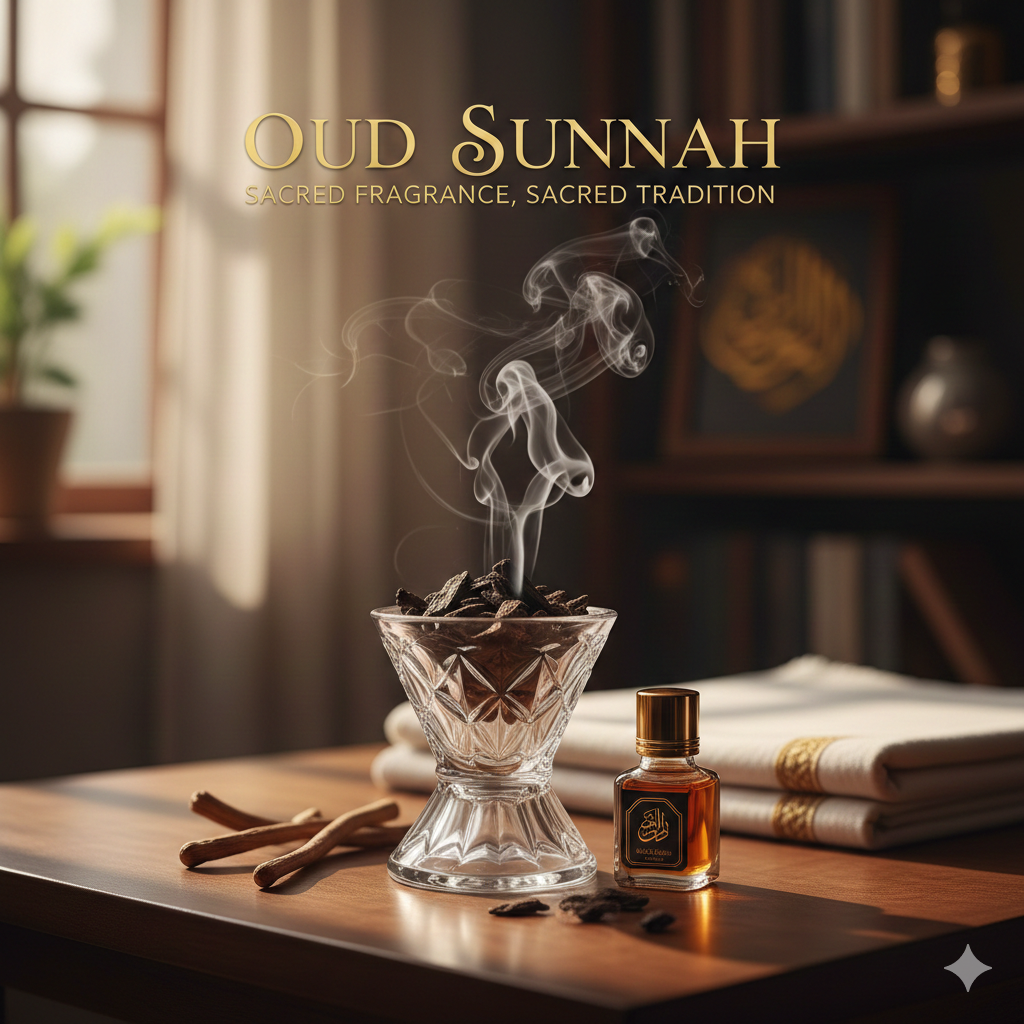
Is Oud Sunnah? Unveiling the Sacred History of Agarwood in Islam
Have you ever had the instance of smelling a deep, woody fragrance at a mosque or in a gathering, and you got to know that it's oud. Due to this, you might have a question in your mind, is oud sunnah? Yes, it is a sunnah as Prophet Muhammad (PBUH) used it, and oud in Islam is also considered a special scent. It is a sacred fragrance that is deeply rooted in Islamic tradition, especially in Saudi Arabia. You would smell it everywhere. As a Muslim if you want to follow the sunnah, you should definitely use oud. It is not like a regular perfume that will fade within an hour; it stays longer and only goes away after washing. You can learn more about the history of Oud in South Asia and Islam to see how this tradition spread.
Prophet Muhammad’s (PBUH) Love for Perfume
Hygiene is a big part of Islam. The Prophet (PBUH) is the best example of this, as he always remained clean and maintained high standards of Islamic hygiene.
It is mentioned in Hadith of Sunan an-Nasa'i 3939 that the Prophet (PBUH) said.
"In this world, women and perfume have been made dear to me, and my comfort has been provided in prayer."
We can clearly see that Prophet (PBUH) loved perfume, and following his sunnah, we should also adorn ourselves with the beautiful smell of it.
Moreover, smelling good is a courtesy to the people around you, as it makes your company pleasant and does not cause discomfort.
There are a lot of perfumes with harsh chemicals on the market, so when choosing perfume, you should consider only the pure ones. Oud is the best one as it is pure, used by the Prophet (PBUH), and also lasts longer than usual perfumes. Read why fragrance oils last longer if you are curious about it.
The Specific Mention of Indian Oud (Aloeswood) in Hadith
In the earlier times, Oud was called Indian wood or Aloeswood. We also see names like ūd al-Hindi or Indian incense in classical hadith texts. When talking about the Indian aloeswood benefits, scholars always refer to this oud al Hindi hadith, which is given below.
Healing Properties of Indian Aloeswood from Hadith
In Sahih al-Bukhari 5692, Prophet Muhammad (PBUH) mentioned the healing role of Indian incense (Oud al-Hindi). He stated that it contains cures for seven diseases. In the same hadith, he also gave practical instructions, like sniffing it for throat problems, or applying it to those who suffer from lung pain.
This hadith is an important part of Tibb al-Nabawi oud and shows how highly Indian aloeswood was valued for healing. Because of this, Sahih Bukhari oud is often cited when discussing the physical benefits of oud.
Fumigation (Bukhoor) with Oud
The Prophet (PBUH) practiced fumigation with oud to purify and freshen his surroundings. In Sahih Muslim 2254, it is reported that he used pure aloeswood to purify the surroundings. He sometimes also added camphor (Kapur) to oud. This practice shows us that, along with adorning himself with the fragrance of oud, Prophet (PBUH) also used it for cleanliness and creating a calm, pleasant space. His companions also followed this practice.
Connection to Modern Benefits
When we combine these mentions of Oud in Hadith, we get to know the healing properties of Indian oud as well as its role in purifying the space. If you would like to know more about it, you can read the benefits of using Oud Attar.
The Scent of Paradise (Jannah): Oud and Musk
The Prophet (PBUH) described Jannah (Paradise) as a place filled with the most beautiful scents and fragrances. In Sahih al-Bukhari 3327, the Prophet (PBUH) mentioned that the sweat of the people in Jannah will smell like musk and aloeswood burners will fill the air with a warm, uplifting aroma, making the environment heavenly. Due to this, Oud is also referred to as the ultimate fragrance in Jannah. Learn more about what Oud actually smells like.
The Sunnah of Friday (Jummah) and Eid
Friday is a special day for Muslims, and there is a sunnah of jummah perfume, which is mentioned in Sahih al-Bukhari 880. According to the hadith, it is compulsory for every male who has reached puberty to take a bath, clean the teeth with Miswak, and use perfume if available.
As part of this practice, wearing attar on Friday helps a person feel clean and presentable for prayer. Oud is one of the best long-lasting fragrance oil for men, and that’s why a lot of men choose it to wear on the occasion of Eid and Jummah.
Alcohol-Free vs. Synthetic: Staying True to Tradition
Oud is made from natural oil (attar), which is why it is considered an alcohol-free perfume in Islam. Because pure oud oil contains no alcohol, it is a halal perfume that many Muslims feel comfortable using. However, not all ouds sold today are real. There are many fake versions on the market, which is why it is important to know what you are buying. You should check out our guide on how to identify real vs fake oud so you get the best quality.
Conclusion: Reviving a Forgotten Sunnah
Using oud is not only about fragrance but about following the sunnah of the Prophet (PBUH). When you make it a part of your daily life, you are reviving the sunnah in a natural way. If you were also looking for Islamic gift ideas, then oud is the best gift to give to your loved ones. You will get the reward whenever they follow the sunnah of wearing oud. For original ouds, you can explore our premium Oud attars for gifting or explore our Sunnah-inspired Collection.
RECENT POSTS
05.July.2026
Top 10 Benefits of Khus Fragrance Oil — The Ancient Cooling Scent Reimagined
0 Comments
30.June.2026


