
Cart
0
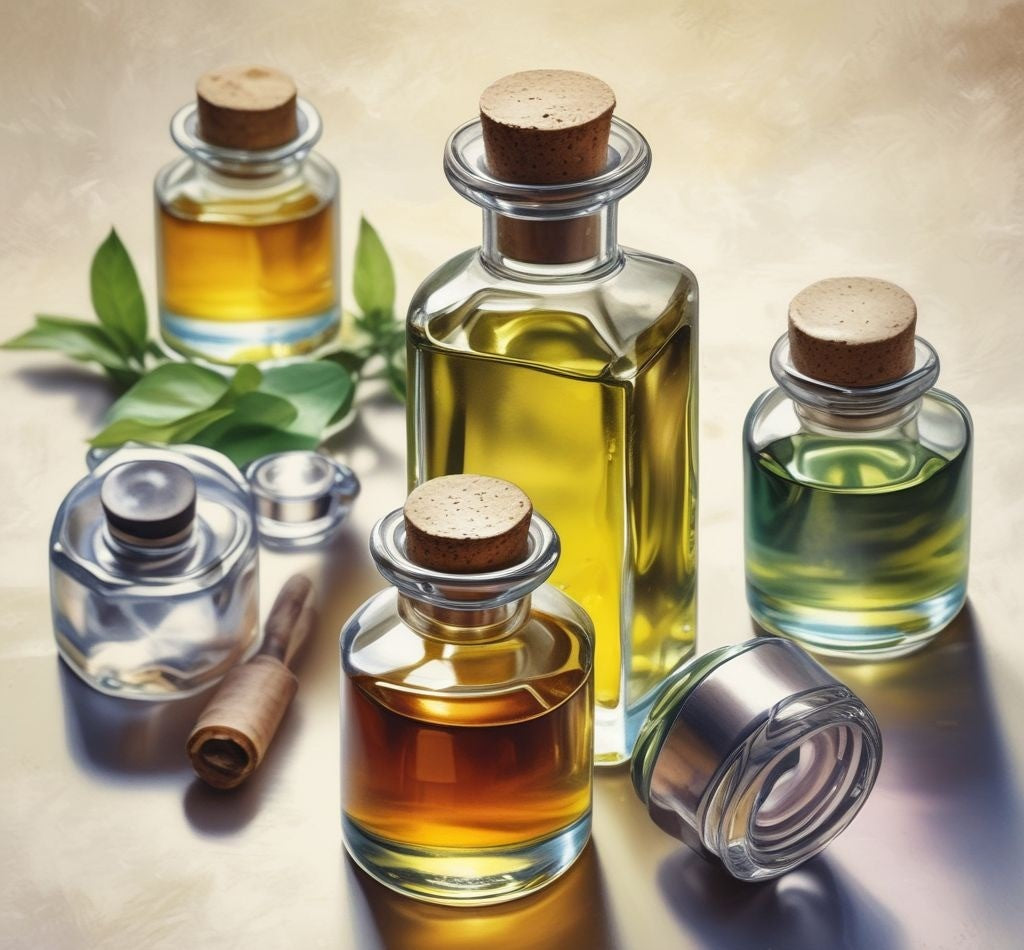
Skin-Safe & Hypoallergenic Fragrance Oils for Sensitive Skin
If alcohol-based perfumes leave your skin red, itchy, or feeling tight, you can still enjoy wearing fragrance. Oil-based attars are often a gentler option because they contain no alcohol to dry out the skin. You only need a drop, and softer fragrance notes may help reduce exposure to common allergens. Here are five gentle fragrance oils, tips for choosing one for your skin, and a simple patch test to try before using a new scent.
Quick answer: If you have sensitive skin, look for an alcohol-free fragrance oil with a simple blend of musk, soft woods, or vetiver. Avoid strong citrus, cinnamon, and heavy spice notes. Apply a small amount to your inner forearm and wait 48 hours to check for a reaction. If your skin tolerates it, use one drop on your pulse points. If you still experience irritation, apply it to your clothing instead. Our gentlest picks are White Musk and Khus.
No fragrance works for everyone, even if it is made with gentle ingredients. This guide offers general information, not medical advice. If you have eczema, rosacea, or a diagnosed fragrance allergy, speak to a dermatologist before trying any perfume.
Best Skin-Safe Fragrance Oils at a Glance
All five attars are 100% alcohol-free and come in oil form. They are applied using a stick, making it easy to control how much you use. The prices listed are for 3 ml bottles as of November 2026.
|
Fragrance oil |
Scent family |
Key notes |
Gentleness for sensitive skin |
Best for |
3 ml price |
|
Soft musk |
Light florals, rose, amber, vanilla, musk |
Gentlest |
Everyday, work, prayer |
Rs. 4,670 |
|
|
Earthy, green |
Green notes, vetiver, woods |
Gentle |
Hot, humid weather; unisex |
Rs. 4,670 |
|
|
Soft oud |
Florals, leather, rose, milk, musk, amber |
Gentle |
A first oud without the harshness |
Rs. 2,550 |
|
|
Powdery rose |
Aldehydes, rose, woods, musk, sandalwood |
Moderate (rose) |
Evenings, autumn, events |
Rs. 3,200 |
|
|
Fresh citrus |
Lemon, orange, pineapple, rose, sandalwood, musk |
Patch test first (citrus) |
Daytime, summer, office |
Rs. 1,800 |
Not sure which suits you? Start with the 3 ml bottle, our smallest size, and patch test it before you buy a larger one.
Top 5 Non-Toxic Fragrance Oils for Sensitive Skin
We chose these five oils based on their fragrance notes, how strong they smell and whether they contain notes that may irritate sensitive skin. Even gentle fragrances can cause a reaction in some people, so we have also mentioned what to look out for before trying each one.
1. White Musk: A gentle scent for everyday wear
White Musk is our first choice for sensitive skin. It starts with light floral notes and a hint of rose. As the scent settles, you get warm amber, sweet vanilla and soft musk. It has a light smell that stays close to your skin, so you only need one drop.
● Notes: Light florals and rose → amber and vanilla → musk
● Why it suits sensitive skin: Its soft musk base has no citrus or strong spice notes.
● Watch for: Rose and vanilla may still cause a reaction in some people. Test a small amount first.
● Wear it: For everyday use, work and prayer, throughout the year.
● Price: Rs. 4,670 (3 ml) · Rs. 8,000 (6 ml) · Rated 5 stars in 93% of 30 reviews
2. Khus (Vetiver): A fresh choice for hot weather
Khus has a fresh, green smell with earthy notes from vetiver root. It brings to mind the smell of damp earth after rain, followed by a soft woody scent. If heat and sweat make strong perfumes uncomfortable for your skin, Khus is worth trying.
● Notes: Fresh green notes → soft florals and herbal vetiver → woody, earthy base
● Why it suits sensitive skin: Its earthy and woody scent has no citrus or sweet gourmand notes.
● Watch for: Some people may react to herbal notes. Apply a little with a gentle dab instead of rubbing it into your skin.
● Wear it: On hot and humid days, during prayer or meditation. Suitable for both men and women.
● Price: Rs. 4,670 (3 ml) · Rs. 7,650 (6 ml)
3. White Oud: A softer take on traditional oud
Traditional oud can have a strong, smoky smell that some people find too heavy. White Oud has a softer scent with a creamy feel. It opens with fresh florals before bringing together leather, rose and a milky note. Musk, amber and light woods remain as the fragrance settles.
● Notes: Fresh florals and bakhoor → leather, rose and milk → musk, amber and dry woods
● Why it suits sensitive skin: It is smoother and less intense than darker oud scents, with no citrus notes.
● Watch for: The smoky bakhoor opening may not suit people who react to incense. Try the 3 ml bottle with a patch test first.
● Wear it: During the day or evening. A good option if you are trying oud for the first time.
● Price: Rs. 2,550 (3 ml) · Rs. 4,000 (6 ml)
4. Desert Rose: A soft rose with a powdery finish
If you enjoy rose fragrances but find sharp floral scents too strong, Desert Rose offers a softer option. This powdery mukhallat opens with airy aldehydes and rose. Dry woods and patchouli follow, while musk and sandalwood give it a warm finish.
● Notes: Aldehydes, rose and powdery notes → dry woods and patchouli → musk and sandalwood
● Why it suits sensitive skin: Its musk and sandalwood base gives it a soft, creamy finish without a strong fragrance trail.
● Watch for: Rose naturally contains geraniol and citronellol, which are listed fragrance allergens. Patch test before applying it to your skin, or wear it on your scarf or collar.
● Wear it: For evenings, special events and during autumn or spring.
● Price: Rs. 3,200 (3 ml) · Rs. 5,200 (6 ml)
Looking for a pure rose scent instead? Try Gulab (Rose), an authentic rose oil with a more concentrated fragrance. Dilute it before use or start with the 1 ml Gulab tester to see how your skin responds.
5. Luqua: a fresh citrus scent (patch test first)
Many people with sensitive skin still want something bright for summer. Luqua opens with lemon, orange and pineapple, has geranium and rose at its heart, and dries down to patchouli, sandalwood and musk.
• Notes: lemon, orange, pineapple → geranium, rose → patchouli, sandalwood, musk
• Why it’s on the list: our most affordable pick, and an easy daytime scent
• Watch for: citrus contains limonene, one of the most common fragrance allergens once it oxidises. Keep the cap closed, use the bottle within a year, and avoid sun on the spot where you applied it.
• Wear it: office and casual days in spring and summer
• Price: Rs. 1,800 (3 ml) · Rs. 3,000 (6 ml)
Want more choice? Browse our unisex fragrance oils or the full fragrance oils collection.
What “Skin-Safe”, “Non-Toxic” and “Hypoallergenic” Really Mean
None of these three words has a strict legal definition for perfume. Any brand can print them on a label. What matters is what’s inside the bottle and how your own skin responds.
• Skin-safe usually means the oil is meant to go on skin and is used at levels within IFRA Standards, the fragrance industry’s global safety limits.
• Non-toxic usually means the oil leaves out ingredients people worry about, such as some phthalates. It doesn’t mean the oil can’t irritate skin.
• Hypoallergenic fragrance means it’s formulated to lower the chance of a reaction, usually by leaving out the best-known allergens. It is not a guarantee.
How to choose a fragrance oil for sensitive skin
1. Choose oil over alcohol. Alcohol sprays can dry out and sting sensitive skin. An attar sits in a carrier oil and goes on as a drop.
2. Prefer short note lists. The fewer notes, the fewer possible triggers.
3. Pick soft families. Musk, vetiver, soft woods and creamy sandalwood tend to suit reactive skin better than heavy spice or sharp citrus.
4. Check the notes for known allergens (see the table below).
5. Start small. Buy a 3 ml bottle before a larger one.
Ingredients and notes to watch for
The EU requires 26 fragrance allergens to be named on cosmetic labels, and new rules adopted in 2023 extend the list to more than 80. These are the ones you’ll most often meet in fragrance oils:
|
Allergen |
Found naturally in |
Tip |
|
Limonene, citral |
Lemon, orange, bergamot |
Irritates more once oxidised, so keep bottles closed and fresh |
|
Linalool |
Lavender, bergamot, many florals |
Also oxidises with age |
|
Geraniol, citronellol |
Rose, geranium |
Common in rose scents; patch test |
|
Cinnamal, eugenol |
Cinnamon, clove |
Among the stronger sensitisers; avoid if reactive |
|
Oakmoss, treemoss |
Chypre and mossy blends |
Restricted by IFRA; avoid if allergic |
|
Coumarin |
Tonka, some sweet blends |
Usually mild, but listed |
What else to avoid if your skin is sensitive: alcohol-heavy sprays, added dyes, and water-based mists, which need preservatives to stay fresh.
How to Patch Test a Fragrance Oil
Before wearing a new fragrance oil, try it on a small area of skin first. Leave it for 48 hours to see how your skin responds.
1. Mix it first. Add one drop of fragrance oil to about 5 ml (one teaspoon) of jojoba or fractionated coconut oil.
2. Try a small area. Apply a coin-sized amount to your inner forearm without rubbing it into the skin.
3. Leave the area alone. Avoid washing it for the next 24 hours.
4. Check your skin. Look at the area after 24 and 48 hours. Watch for redness, itching, bumps or a burning feeling.
5. Choose what to do next. If your skin shows no signs of irritation, you can try one drop of the fragrance oil without diluting it. If you notice any reaction, wash the area with mild soap and stop using that oil.
Tips for Wearing Perfume on Sensitive Skin
● Use a small amount. One drop on each wrist or behind your ears is usually enough when wearing an attar.
● Dab it gently. Avoid rubbing the oil into your skin, as the friction and heat can cause irritation.
● Choose the right spots. Don't apply perfume to broken or freshly shaved skin. Keep it away from your face and lips.
● Try clothing instead. If your skin still reacts, put the attar on a scarf, collar or cuff. The scent can last for hours on fabric. Test it on a hidden area first, as some oils may leave marks on light-coloured clothes.
● Look after your bottles. Keep them tightly closed and away from sunlight and heat. Old oils that have oxidised are more likely to irritate your skin.
Best Perfume Oil for Sensitive Skin in Hot Weather
Hot weather and sweating can make skin reactions more common. During summer, lighter scents such as Khus and White Musk are good options to consider. Apply them to clean, dry skin rather than areas where sweat builds up. If you wear a citrus scent such as Luqua, apply it to your clothing when spending time in direct sunlight.
Where to Buy Skin-Safe Fragrance Oils in Pakistan
You can buy all the fragrance oils in this guide from SA by Saeed Anwar, a fragrance house curated by former Pakistan cricketer Saeed Anwar. Every attar is 100% alcohol-free, and orders are delivered across Pakistan within 3–5 business days. You also get free shipping on orders above Rs. 7,000. Most fragrances are available in 3 ml and 6 ml bottles, making it easier to try a smaller size first. If you're unsure which oil to choose, contact us or call +92 312 111 0001.
Fragrance Oils vs Essential Oils: Which Is Gentler?
Natural doesn't always mean gentle on the skin. Essential oils can also cause allergic reactions, particularly citrus, cinnamon, clove and lavender oils. A properly made fragrance oil that follows IFRA limits may be a better option than using a pure essential oil. The difference comes down to the ingredients, how fresh the oil is and how much you apply. Neither type is automatically safer for sensitive skin.
Using Fragrance Oils in DIY Body Butter, Lotion or Solid Perfume
Making your own products? Keep fragrance levels low for sensitive skin: about 0.5–1% in body oils and lotions and 1–2% in roll-ons. Always check that the oil is rated for leave-on skin products.
Frequently Asked Questions
What is the best perfume oil for sensitive skin?
White Musk is a good choice because it has a soft scent and contains no alcohol. In hot weather, Khus (vetiver) is another option. Try either one on a small patch of skin and wait 48 hours before wearing it.
Are fragrance oils safe for skin?
Fragrance oils made for skin can be used safely when they follow IFRA limits and are applied in small amounts. However, some ingredients can still cause irritation or allergies. Always choose body-grade oils, not oils made for candles or soap, and patch test before use.
What is a hypoallergenic fragrance?
A hypoallergenic fragrance is made to reduce the risk of allergic reactions by avoiding common allergens such as oakmoss, cinnamal and strong citrus notes. However, the term has no regulated standard, so check the ingredients and test the fragrance before use.
Can I wear perfume if I have eczema?
Ask your dermatologist before using perfume if you have eczema. If they say it is fine, try wearing a small amount on your clothing instead of your skin. Never apply fragrance to an active eczema patch.
Why does perfume make my skin itch?
Perfume can make your skin itch because alcohol dries it out or because you react to certain ingredients, such as limonene, linalool or cinnamal. Alcohol-free oils avoid the drying effect of alcohol, while a patch test can help identify a reaction to particular ingredients.
What makes a body oil a "skin scent"?
A skin scent is a light fragrance that stays close to your body rather than filling the room. Musk, soft woods and amber are often used to create this kind of scent. White Musk is one example.
What is a safe fragrance gift for someone with sensitive skin?
A 3 ml bottle of alcohol-free attar with soft notes, such as White Musk or White Oud, makes a good small gift. The recipient can patch test it before wearing it, without having to buy a larger bottle.
What's the difference between non-toxic and hypoallergenic?
Non-toxic refers to ingredients considered harmful, including certain phthalates. Hypoallergenic means a product is made to lower the chance of an allergic reaction. A fragrance can meet one description without meeting the other.
Can I use fragrance oil on my face?
No. Fragrance oils are best kept away from the face because facial skin is more delicate and can react easily. Apply them to your wrists, behind your ears or on your clothing instead.
Are IFRA-compliant perfumes safe for sensitive skin?
IFRA-compliant perfumes follow ingredient limits set for general use. This helps lower the risk of reactions, but it doesn't mean everyone can use them without a problem. You may still react to a particular ingredient, so patch test before wearing the perfume.
About the Author
Osaid Saeed writes for SA by Saeed Anwar, the fragrance house curated by former Pakistan cricketer Saeed Anwar. The brand makes 100% alcohol-free attars, oud oils and fragrance oils, and this guide draws on the team’s experience helping customers choose scents that suit their skin.


